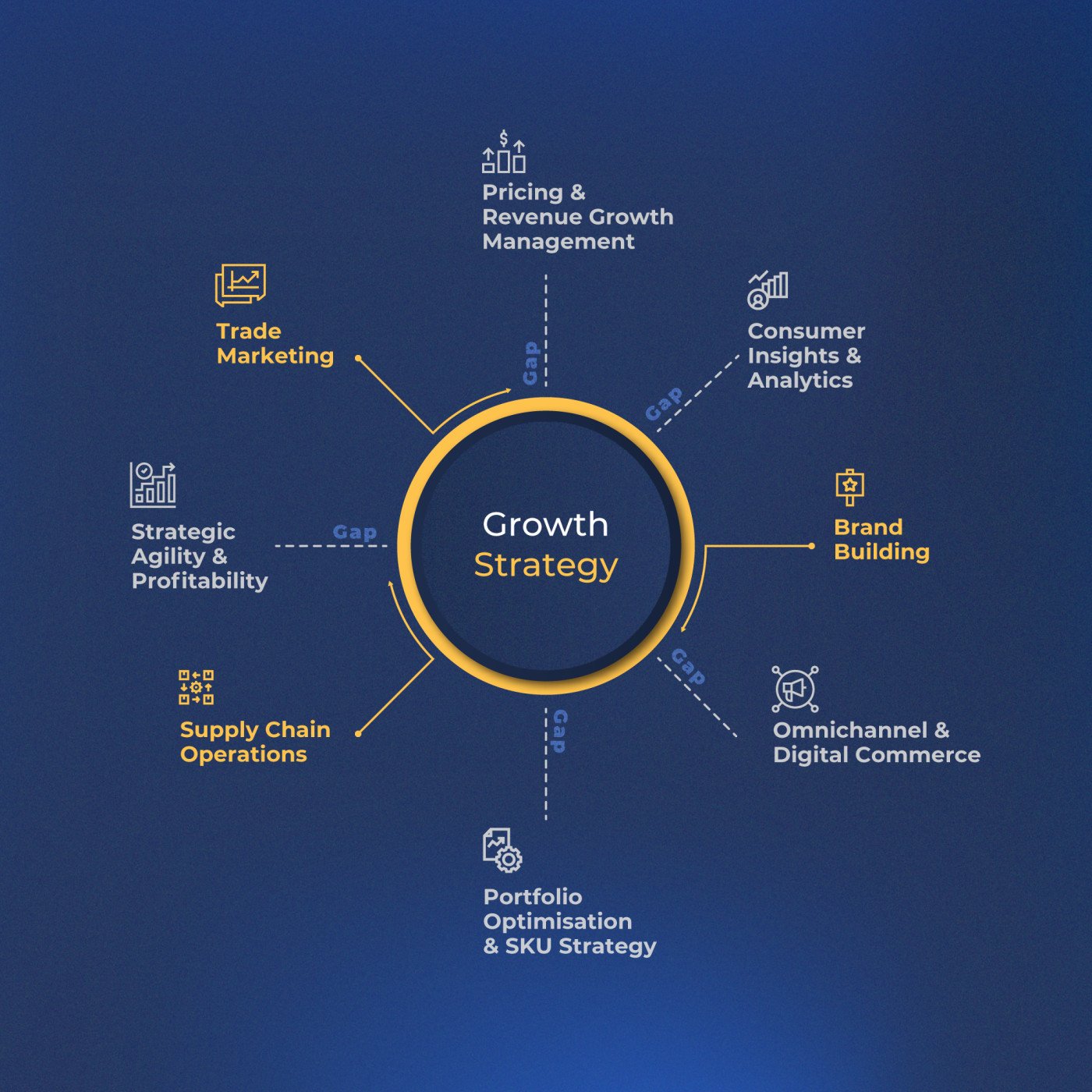
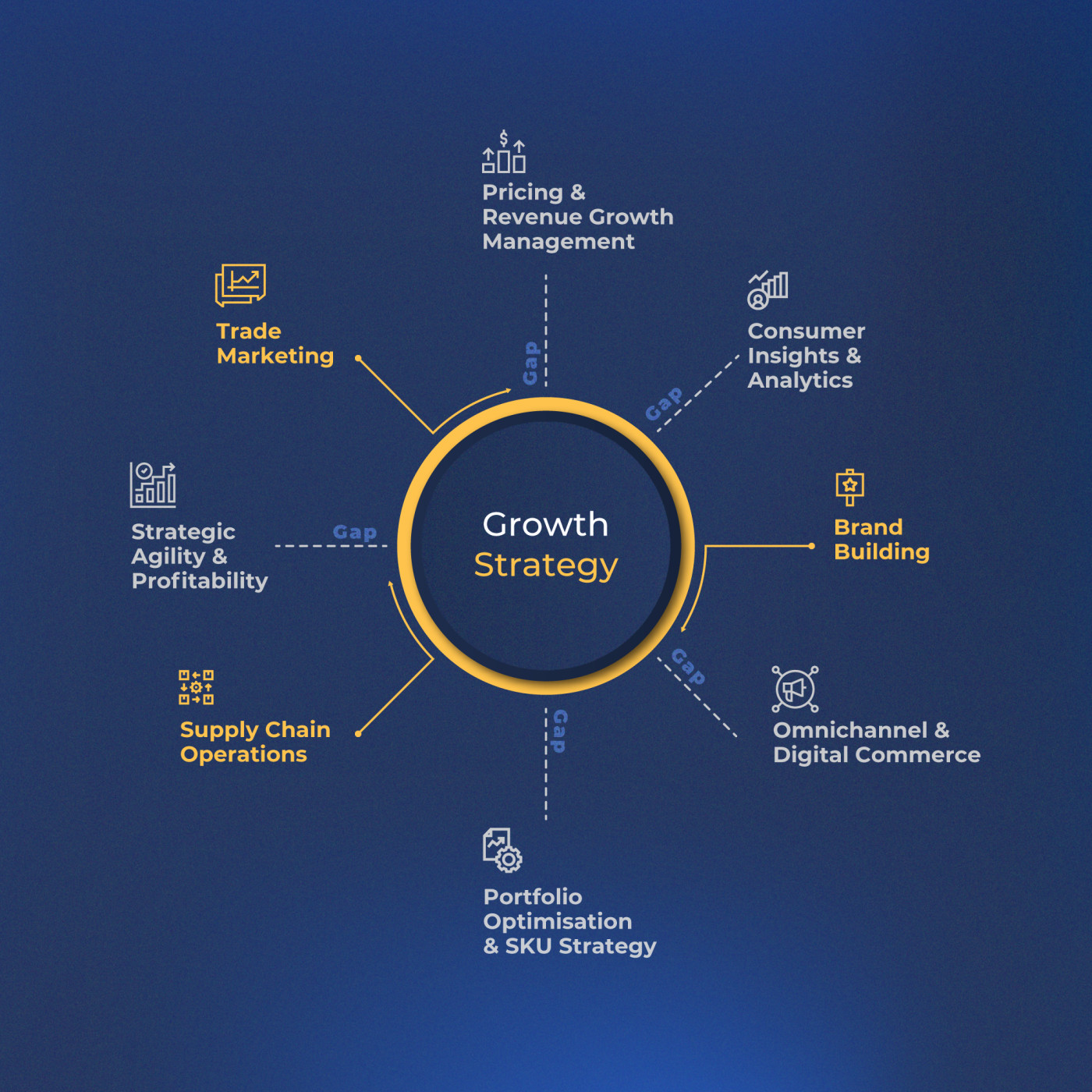
The FMCG industry has always operated in a high-velocity environment. Product cycles are short, competition is intense, and consumer preferences evolve rapidly. But in 2026, the pace and complexity of change have increased significantly, creating capability gaps that many organisations are still working to address.
From pricing analytics to consumer insights and digital commerce strategy, FMCG leaders are facing challenges that require specialised expertise and faster decision-making. Industry research indicates that companies across the sector are rethinking how they build and access capabilities to remain competitive.
Flex Insight: FMCG and D2C are among the top 3 sectors driving demand for on-demand talent, accounting for over 20% of projects on Flexing It. Demand spans across beauty, home care, and food and beverages, with a strong pull for functional experts in finance, supply chain, and marketing.
Below are some of the most critical capability gaps shaping FMCG strategy today.
1. Revenue Growth Management and Pricing Analytics
Pricing has become one of the most strategically complex areas for FMCG organisations. Rising cost pressures and increasingly value-conscious consumers are forcing companies to adopt more sophisticated pricing and promotion strategies.
47% of consumers globally now identify as “value seekers,” prioritising price and promotions even in higher-income segments. (Deloitte, 2026) For FMCG companies, this means traditional pricing approaches are no longer sufficient. Organisations must analyse price elasticity, promotional effectiveness, and consumer response across multiple channels and markets.
Developing strong revenue growth management capabilities requires advanced analytics, pricing strategy expertise, and a deep understanding of market dynamics, capabilities that many companies are still building.
2. Portfolio Optimisation and SKU Rationalisation
Product portfolios in the FMCG sector have grown increasingly complex over the past decade. While innovation has expanded product offerings, it has also created operational challenges and diluted profitability in some cases.
Nearly half of consumer product companies plan to streamline their portfolios and reduce SKUs to improve profitability and operational efficiency. (Deloitte, 2026)
Simplifying a product portfolio is rarely straightforward. Companies must analyse product performance across markets, channels, and consumer segments while carefully balancing growth opportunities and operational complexity.
As a result, portfolio optimisation has become a strategic priority for many FMCG organisations seeking to improve margins and focus on high-value product categories.
3. Consumer Insights and Advanced Analytics
Understanding consumer behaviour has become more difficult as purchasing patterns continue to evolve. Economic uncertainty, digital adoption, and shifting demographic dynamics are all influencing how consumers discover, evaluate, and purchase products.
To keep pace with these changes, companies are investing heavily in analytics capabilities.
Organisations across the consumer goods sector are increasing investment in AI, advanced analytics, and data-driven decision-making to better understand changing consumer behaviour and identify growth opportunities. (BCG)
However, building these capabilities internally takes time. Many organisations are still developing the data infrastructure and analytical expertise required to translate consumer insights into strategic decisions.
4. Omnichannel and Digital Commerce Strategy
Distribution strategies in the FMCG industry are undergoing a significant transformation. E-commerce, organised retail, quick commerce, and direct-to-consumer channels are expanding rapidly, creating a far more complex channel landscape.
Digital commerce and omnichannel capabilities remain among the top strategic priorities for consumer goods companies globally. (NielsenIQ, 2026) Many FMCG organisations built their distribution strategies around traditional retail channels. Adapting to a more digital and data-driven environment requires capabilities in e-commerce strategy, marketplace optimisation, digital marketing, and channel analytics.
Developing these capabilities is becoming increasingly important as companies seek to strengthen their presence across multiple consumer touchpoints.
Flex Insight: D2C and e-commerce scaling initiatives, including marketplace growth, channel launches, and customer experience design, are a major driver of demand for specialised talent.
5. Strategic Agility and Profitability Improvement
Alongside these operational capability gaps, FMCG leaders are also navigating broader strategic challenges. Industry growth is moderating in several markets, placing greater emphasis on profitability and operational efficiency.
According to Bain & Company’s consumer products insights, companies are increasingly prioritising margin improvement and cost efficiency initiatives as industry growth stabilises. (BCG)
Addressing these challenges often requires organisations to rethink pricing strategies, optimise portfolios, improve supply chains, and strengthen strategic planning capabilities.
The ability to respond quickly to changing market conditions is becoming a defining factor in FMCG competitiveness.
Flex Insight: Across FMCG projects, the highest demand is concentrated in Finance (21%), Supply Chain (18%), and Marketing (18%), followed by HR, Technology, and Strategy roles.
As the FMCG landscape continues to evolve, many organisations are recognising that building every capability internally is neither practical nor efficient. Whether it is strengthening pricing strategy, deepening consumer insights, optimising portfolios, or navigating new distribution channels, companies increasingly rely on specialised expertise to accelerate strategic initiatives and bring fresh perspectives to complex challenges.
Flexing It enables organisations to access experienced professionals on demand, allowing companies to complement internal teams with the right expertise at the right time as they navigate these capability gaps.


 `
`  129
129
 0shares